Should You Buy a Google Ads Account? Risks and the Faster Legit Path
Buying a Google Ads account looks like a shortcut past verification and spend limits. Here’s what it really risks and the faster, safer way to launch.

Buying a Google Ads account looks like the fastest way around a slow start. A new account has to prove who is behind it before Google lets it spend freely, and sellers are happy to offer a verified Google Ads account, an aged Google Ads account or a so-called threshold account that is supposedly ready to spend from the first hour.
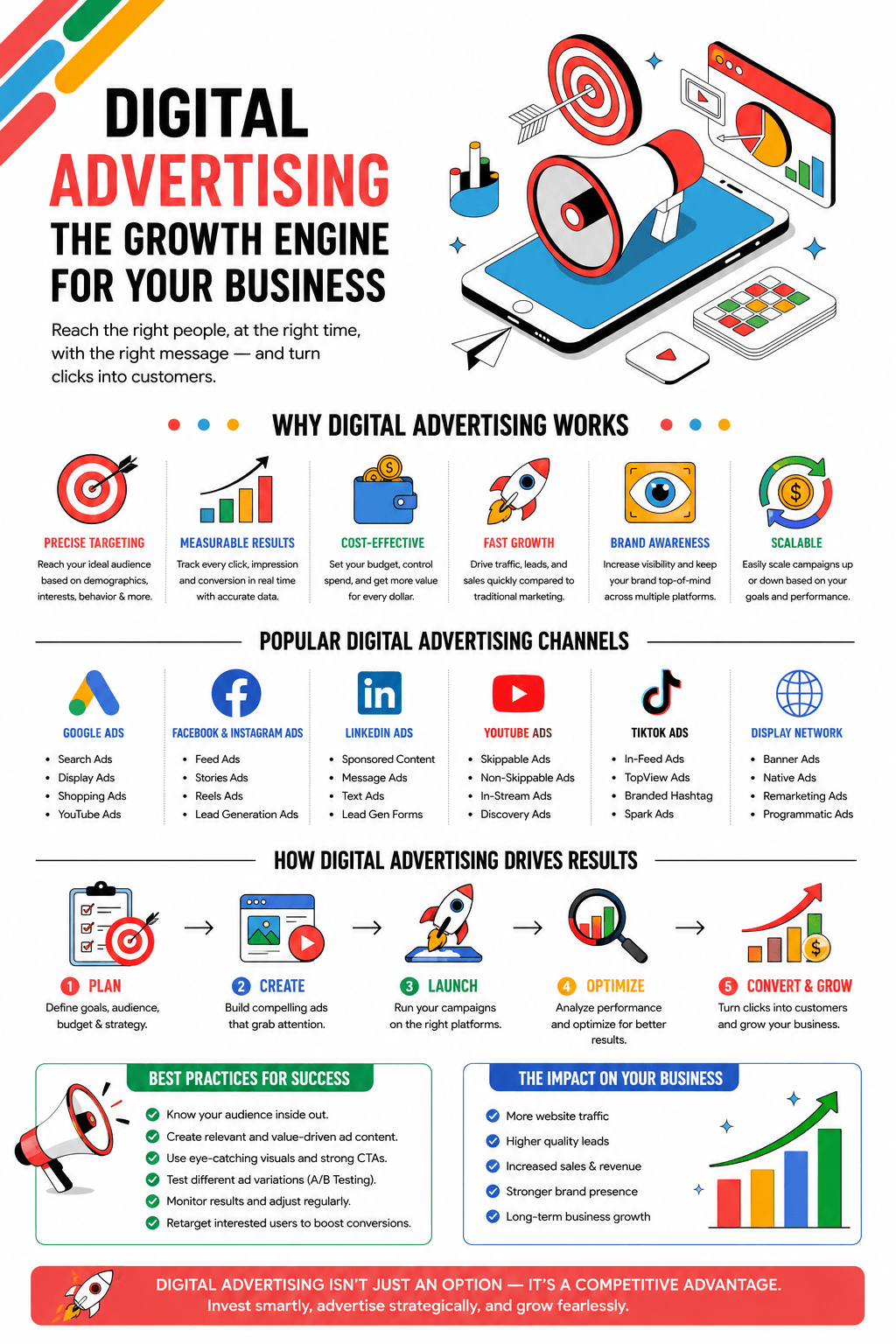
The appeal is easy to understand. Digital advertising has become one of the most powerful tools for growing a business online, and Google Ads sits at the center of it: billions of searches a day, intent you can target keyword by keyword, and results you can measure down to the conversion. Every day an account waits in review is a day of lost sales, which is why these offers are aimed at media buyers, affiliates and agencies racing a deadline.
This guide covers what those accounts really are, what Google’s policies and terms say about using them, what a suspension costs when it lands, and the faster legitimate setup that gets you live without borrowing anyone’s identity.
Short answer: buying a Google Ads account is a bad trade. The account’s verified identity belongs to someone else, Google treats getting around its review and enforcement systems as an egregious violation that leads to suspension without warning, and you lose the campaigns, spend and data when it happens. Starting verification early, running client accounts under a free manager account and giving a new account a few clean weeks gets you live on a timeline you control, without that exposure.
Table of contents
- Why a New Google Ads Account Feels Slow to Launch
- Why Advertisers Look for Ready-Made Google Ads Accounts
- What You Get When You Buy a Google Ads Account
- What the Google Ads Circumventing Systems Policy and Terms Actually Say
- What a Suspended Google Ads Account Costs You
- Already Suspended? Fix the Account Instead of Opening Another
- The Faster Legit Way to Launch and Scale Google Ads
- Pre-Launch Checklist for a New Google Ads Account
- Borrowed Trust Expires, Built Trust Compounds
- Bought Accounts, Threshold Accounts and Verification: Quick Answers
Why a New Google Ads Account Feels Slow to Launch
Google is not slowing new advertisers down at random. According to Google’s 2025 Ads Safety Report, the company blocked or removed more than 8.3 billion ads and suspended 24.9 million advertiser accounts in 2025, stopped over 99% of policy-violating ads before they served, and treats advertiser verification as a second layer of protection on top of its automated reviews.
Those checks exist to stop bad actors who open accounts, push a burst of harmful ads and disappear before enforcement catches up. If you have seen how ad fraud and misleading ads drain budgets and erode trust, the caution makes sense. Honest businesses go through the same gate, which is why a new account meets three kinds of friction.

Advertiser Verification
Google Ads advertiser verification asks you to confirm who you are and what you sell. You manage it from the Advertiser verification page under Billing in your account. When Google gives you a deadline, you have 30 days to start the “About your business” questions and another 30 days to finish every requested check, which can cover your identity, your business operations or both. Miss either window and the account is paused.
Individuals usually submit a government-issued photo ID. Organizations submit registration documents plus the ID of an authorized representative, and the legal name on the account has to match those documents. Google says most reviews take a few business days once everything is in, although they can run longer when no deadline applies.
Once you are verified, your legal name and location appear in ad disclosures, in the “About this advertiser” panel of My Ad Center and in the Ads Transparency Center. Keep that detail in mind, because it decides most of what follows.
Daily Spending Limits on New Accounts
Google often applies a daily spending limit to a new Google Ads account, or to one that recently changed, while it verifies activity and builds payment history. The limit overrides your campaign budgets: once it is reached, ads stop for the day and resume the next day.
For these automated limits on new accounts, Google’s help page says you can’t request an increase. The limit lifts as you complete verification, run compliant ads, keep campaigns active and pay on time. After verification and any open account issues are resolved, Google says it may come off within one business day.
Ad, Landing Page and Payment Reviews
Every new ad and destination goes through review, and a new payment method can trigger extra checks. The fastest way through is unglamorous: a page built on the essential elements of a high-converting landing page, with a real business name, contact details, clear policies and an offer that matches the ad. Pages that hide who is behind the offer invite exactly the scrutiny you are trying to avoid.
Why Advertisers Look for Ready-Made Google Ads Accounts
The demand comes from people with real deadlines. Media buyers testing offers, affiliate marketers scaling a funnel, e-commerce brands chasing a seasonal window and agencies onboarding a new client all lose money while an account sits in review or spends under a cap.
Picture an agency that signs a retail client five days before a holiday sale. The client has never advertised on Google, verification hasn’t started, and a fresh account may spend under a daily limit for its first weeks. An account that is already verified, aged and spending looks like the obvious fix. That is the pitch every seller makes.
The pitch skips the part that matters most: what you are actually getting for your money.
What You Get When You Buy a Google Ads Account
A quick search turns up plenty of Google Ads account for sale listings, and services such as Buying ready google ads accounts market prepared accounts as a way to skip the verification wait. We mention it so you can recognize these offers when you see them, not as a recommendation. Before comparing prices, look at what actually changes hands when you buy Google Ads accounts:
- Someone else’s verified identity. Verification belongs to the person or company that passed it. Your ads would run under their legal name and location in Google’s ad disclosures, which your customers and competitors can see.
- A history you can’t audit. You don’t know which payment methods, domains, users or past violations the account carries, or which other accounts the seller has tied to the same documents.
- Shared control. The seller may keep recovery options, payment profile access or a user login. Whoever controls recovery controls the account.
- A fresh change pattern. A new owner, payment method, location and advertised business, all at once, is exactly the kind of recent change that can put an account back under review and back under a spending limit.
- No way to appeal honestly. When Google reviews a suspension, it may ask you to verify recent payment activity and account changes. You can’t credibly do that for an identity that isn’t yours.
Here is how the three ways of getting an account live compare:
| Bought or rented account | Your own new verified account | Your account under an agency manager account | |
|---|---|---|---|
| Verified identity | The seller or a third party | Your business | Your business |
| Name in ad disclosures | Someone else’s | Yours | Yours, as the end advertiser |
| Time to first ads | Same day, if the seller delivers | Once billing and ad review clear, often with a daily cap at first | Same as your own account, set up by the agency |
| Policy exposure | High: identity mismatch and inherited history | Low if ads and pages comply | Low if ads and pages comply |
| Control of recovery and billing | Possibly the seller | You | You, with agency access you can revoke |
| What you keep if it ends | Nothing | Account, data and history | Account, data and history |
| Cost | Purchase price, plus replacements | Free to open | Free manager account, plus agency fees |
What About Google Ads Threshold Accounts?
Some sellers push “threshold accounts” as a premium option. The term comes from automatic payments: Google charges you when your costs reach a set amount, called your payment threshold, or on your regular monthly billing date, whichever comes first. The threshold starts low and rises each time the account reaches it before the end of the month, up to a maximum, and Google doesn’t email you when it goes up.
A high threshold is simply billing history that someone else built with their own payment method. Once the owner and card change, that history no longer describes who is paying. A failed charge leaves an unpaid balance, and unpaid balances and suspicious payment activity are both on Google’s list of reasons it suspends accounts. Treat “threshold” as a sales word, not a feature.
What the Google Ads Circumventing Systems Policy and Terms Actually Say
Google’s published policies don’t contain a line that simply says “never buy an account.” The risk comes from the rules that do exist. The Google Ads circumventing systems policy bans practices that get around or interfere with Google’s ad review and enforcement, and its examples map closely onto how bought accounts get used:
- Multiple account abuse: creating or using new accounts to get back in after a suspension.
- False verification information: submitting false or fraudulent details in advertiser verification. Google added an example in November 2025 to stress that this leads to suspension.
- Spreading violations across accounts: running policy-violating ads through several accounts at once.
- Cloaking: showing Google’s reviewers something different from what users see.
Using another business’s verified account so your own business never goes through verification is a practice designed to get around that review process, which is what the policy targets. Google classifies circumventing systems as an egregious violation, and the policy states that the suspension happens on detection, without prior warning.
The contract points the same way. The versions of Google’s Advertising Program Terms published in its help center, which vary by country, say neither party can assign the terms without the other’s written consent, except to an affiliate. They also make the customer solely responsible for its use of the programs, including safeguarding usernames and passwords. A seller handing you a login doesn’t hand you their agreement with Google.
There is a blunter problem too. If the business behind the ads was suspended before, any account it uses to keep advertising, bought or not, is the exact behavior the policy names. Google’s suspension rules also say related accounts can be suspended together, along with new accounts the advertiser tries to create.
What a Suspended Google Ads Account Costs You
When a Google Ads account is suspended, every campaign in it stops. You can still log in and see reports, but you can’t run ads, and everything that depended on the account goes dark with it:
- Campaigns in flight, including the launch you bought the account to hit.
- Conversion data and Smart Bidding learning, which a replacement account has to rebuild from zero.
- Any prepaid balance, which sits on a payment profile you may not own.
- Linked assets. Because suspensions can extend to related accounts, an agency running clients through a compromised setup can lose more than one account in a day.
Google does report that enforcement got more precise, with an 80% drop in incorrect advertiser suspensions in 2025. That helps advertisers who were caught by mistake. It does nothing for an account whose real problem is that the identity on it isn’t yours.
Already Suspended? Fix the Account Instead of Opening Another
If you are reading this after a suspension, the worst move is the one sellers are counting on: a new or bought account. Google’s suspension rules say new accounts an advertiser tries to create may also be suspended, and Google recommends reinstating the suspended account before setting up new ones. Work through it in this order:
- Read the notice. The suspension email and the account status name the policy involved, which tells you where to look.
- Rule out a security problem. If you suspect someone else accessed the account or its emails, report it to Google through its unauthorized activity form before anything else.
- Fix the root cause everywhere. Check ads, landing pages, billing details, user access and any linked accounts, not only the ad that was flagged.
- Appeal from the suspended account. Google may ask you to verify recent payment activity or account changes, so have invoices, receipts and records of what you changed ready.
- Send one well-documented appeal. A clear explanation with evidence beats several rushed resubmissions. Keep campaigns and assets ready to restart once it clears.
The Faster Legit Way to Launch and Scale Google Ads
The goal behind buying an account, speed plus room to scale, is reachable without the risk. This is the setup that holds up when Google looks closely.
Start Verification Before the Launch Date
Verification only feels slow when it starts the week you need to go live. Open the account as soon as the deal is signed, add a payment method in the business’s own name, and start advertiser verification yourself instead of waiting for Google’s prompt. Have these ready before you begin: the legal business name exactly as registered, the registration documents, a photo ID for the authorized representative, and a website that names the business and shows how to contact it.
Run Client Accounts Through a Google Ads Manager Account
A Google Ads manager account, still widely called an MCC, is free and was built for exactly the multi-account problem sellers claim to solve. Each client keeps an account verified under their own name, and you manage all of them from one sign-in. From the manager level you can:
- Build negative keyword lists once and apply them across every client account.
- Create cross-account bid strategies, which are Smart Bidding portfolio strategies owned by the manager account and used by campaigns in linked accounts.
- Run automated rules across client accounts (Google allows rules on up to 1,000 accounts from one manager account), use scripts and report on all of them together.
- Consolidate billing onto one monthly invoice for eligible accounts on monthly invoicing.
- Grant and remove user access without ever sharing passwords.
If you lean on automation to scale, our breakdown of how AI-driven campaigns are changing performance marketing covers where Smart Bidding helps and where it still needs human oversight.
Hire an Agency to Manage Your Account, Not Lend You Theirs
If you don’t have the people to run this in-house, hire an agency to manage your account rather than rent you one of theirs. In a proper setup, the agency links your account to its manager account, you stay the verified end advertiser, and Google’s ad disclosures show your name, not the agency’s.
A Google Partner agency adds support access. Google lists Google Ads support for every Partners tier and dedicated account support, by invitation, for most Premier Partners. What the badge does not do is let anyone skip verification or bend the policies, so treat any agency or seller that promises an “unbannable” account as a red flag.
Use the First Weeks to Build Trust the Account Keeps
Account trust builds the same way E-E-A-T gets built for any brand: through consistent, verifiable behavior over time. In the first weeks, keep campaigns live within the daily limit instead of pausing and restarting them, make sure every payment clears on time, avoid swapping payment methods or business details, and fix disapproved ads properly instead of resubmitting them unchanged.
Then put your energy where it pays. Proven Google Ads optimization techniques, such as tighter keyword targeting, stronger ad assets and well-chosen bid strategies, move results far more than account age ever will.
Pre-Launch Checklist for a New Google Ads Account
Run through this list before the first campaign goes live. Each item removes a common reason for delays, limits or a suspension.
- The legal business name matches the registration documents everywhere: account, payment profile and website footer.
- The payment method is in the business’s own name.
- Advertiser verification is started, with documents scanned clearly and ready to upload.
- The landing page shows who you are, how to reach you, and your refund and privacy policies.
- The ad and the landing page make the same offer, at the same price.
- Conversion tracking is installed and tested before the first click.
- If an agency is involved, your account is linked to its manager account and access levels are reviewed.
- For regulated categories such as financial services, gambling or healthcare, any required certification has been applied for in advance.
- There is a plan to keep campaigns running steadily for the first weeks rather than in stop-start bursts.
Borrowed Trust Expires, Built Trust Compounds
A bought account sells you a few days. The price is an account that can disappear without warning, under a name that isn’t yours, with your data locked inside it. The legitimate path takes a little planning: start verification early, use a manager account to scale, and give the account a few clean weeks. After that, digital advertising does what it does best for a business growing online. It compounds.
How we checked this guide: every policy statement above was checked against Google’s Advertising Policies Help Center, the Google Ads Help Center and Google’s 2025 Ads Safety Report. Google updates its policies often, so confirm the current wording on Google’s own pages before acting on any single rule.
Bought Accounts, Threshold Accounts and Verification: Quick Answers
Google’s policies don’t include a rule that names account purchases, but using a bought account runs straight into rules that do exist. Your ads would run under someone else’s verified identity, the Circumventing systems policy bans practices that get around Google’s review and verification systems, and Google’s ad terms bar assigning the agreement without Google’s consent. The policy is enforced with suspension on detection, without prior warning, so a bought account is a high-risk choice rather than a gray area.
Yes. The account carries the seller’s identity, payment history and links to other accounts, none of which you can see. Google can suspend related accounts together, so a problem elsewhere in the seller’s network can take your account down with it.
It’s a seller’s term for an account on automatic payments whose payment threshold has already climbed, so more spend builds up before Google charges the card. That threshold reflects the original owner’s payment history, so it offers no protection once the owner and card change, and an unpaid balance is one of the reasons Google suspends accounts.
Only when it is a genuine management relationship. An agency managing your own account through its manager account, with you verified as the end advertiser, is normal and safe. Renting access to an account verified under the agency’s name or someone else’s has the same core problem as buying one: the identity behind the ads isn’t yours.
Open the Advertiser verification page under Billing in your Google Ads account, answer the About your business questions, then upload the documents Google asks for: usually a government-issued photo ID for individuals, or registration documents plus a representative’s ID for organizations. Make sure the legal name on the account matches those documents exactly.
When Google sets a deadline, you get 30 days to start and another 30 days to complete the requested checks. Google says the review itself usually takes a few business days once your documents are in, though it can run longer when there is no deadline. A legal name that doesn’t match your registration documents is a common cause of delay.
Google often applies one to new or recently changed accounts while it verifies activity and builds payment history. It can also apply when activity looks unusual or verification is still pending. Ads stop for the day when the limit is reached and resume the next day.
For the automated limits applied to new accounts, Google says you can’t request an increase. Completing advertiser verification, running compliant ads, keeping campaigns active and paying on time are what lift it, and Google says the limit may be removed within one business day after verification and any account issues are resolved.
Don’t open a new account, because that is the exact behavior the policy punishes. Read the suspension notice, fix the root cause in your ads, website, billing and account access, then submit one clear appeal from the suspended account with evidence of what you changed.
Google doesn’t document any benefit from account age on its own. What helps is completed verification, a clean payment history and conversion data, and all of that belongs to the business that built it. Results come from targeting, ad quality, landing pages and bidding, which a well-run new account can match.
Digital Advertising at a Glance